Up to 75% of patients do not control their bad cholesterol (LDL), the main cause of artery blockage (atherosclerosis).
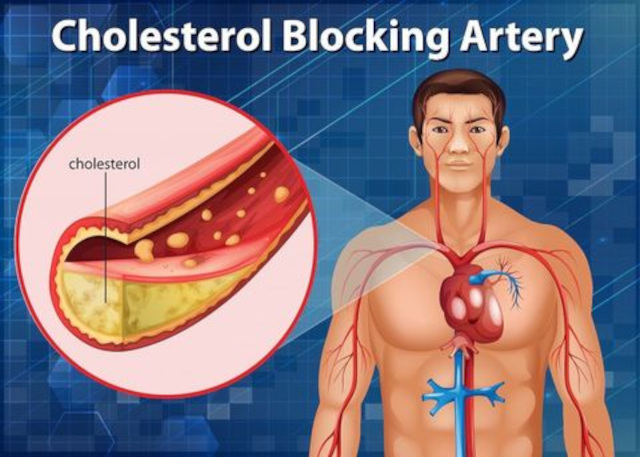
The therapeutic arsenal is diverse, but there are still patients who do not meet their LDL cholesterol targets, the main cause of atherosclerotic vascular disease (arterial obstruction). Cardiovascular disease is the leading cause of death in developed countries, including Spain, and far from decreasing, rates are increasing year after year worldwide. Atherosclerosis, or the formation of atheromatous plaques in the arteries, resulting from the accumulation of LDL cholesterol in the blood, is often the cause of atherosclerotic vascular changes.
Atherosclerosis is the underlying lesion on which virtually all cardiovascular disease develops. It is characterized by the development of multiple atheromatous plaques, formed basically by cholesterol covered by a fibrous plaque, which in a very simplified way can narrow the capillary lumen progressively or suddenly due to ulceration of the plaque, hemorrhage and thrombosis of the same, being the substrate of ischemic events both at the myocardial, cerebral and peripheral artery level. Thus, these plaques can become chronic, calcify or can rupture or ulcerate and produce a cardiovascular event: myocardial infarction or stroke.
There is also a new concept that is beginning to have importance, subclinical atherosclerosis. It consists of the presence of plaques in people who are asymptomatic and that are detected by imaging techniques – essential to know the plaque burden and individualize treatment, such as the calcium score obtained from coronary CT without contrast or vascular ultrasound. Early detection of plaque burden is a window of opportunity to act on the population that is at risk but still has not presented any event, which would constitute primary prevention.