According to the results of research published in the journal Science, taurine promotes healthy aging: it improves strength, coordination, memory, and bone health, and attenuates cellular senescence, mitochondrial and DNA damage, and chronic inflammation. Can this or any other element improve human aging?
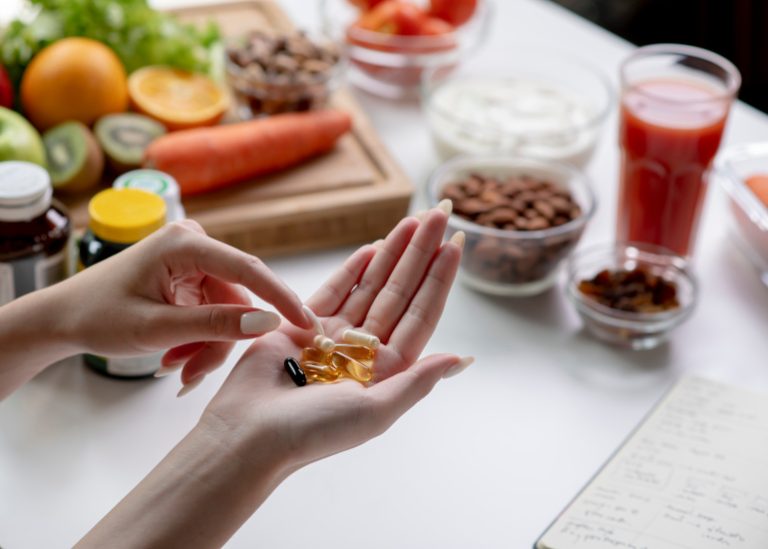
Taurine is an amino acid found naturally in the human body and in some diets. It is important for many bodily functions, including stabilizing cell membranes, regulating calcium concentration within cells, forming bile salts for fat digestion, modulating central nervous system activity, and cardiovascular and muscle function.
By analyzing taurine levels in the blood, scientists gained a crucial insight into its relationship with age in different species. In 15-year-old monkeys, taurine levels were 85% lower than in 5-year-old monkeys. Similarly, in humans, levels decline with age: by age 60, only one-third of childhood levels are present.
In mice, researchers observed that a deficiency of this amino acid accelerates aging and reduces life expectancy. However, what is most fascinating is that this process can be reversed.
By supplementing the worms’ diets with taurine, scientists were able to increase their lifespan by 10% to 23%. Experiments on rodents also yielded positive results: not only were their lives extended by more than 10%, but they also improved aspects such as strength, coordination, and cognitive skills.
Original article: https://www.science.org/doi/10.1126/science.abn9257